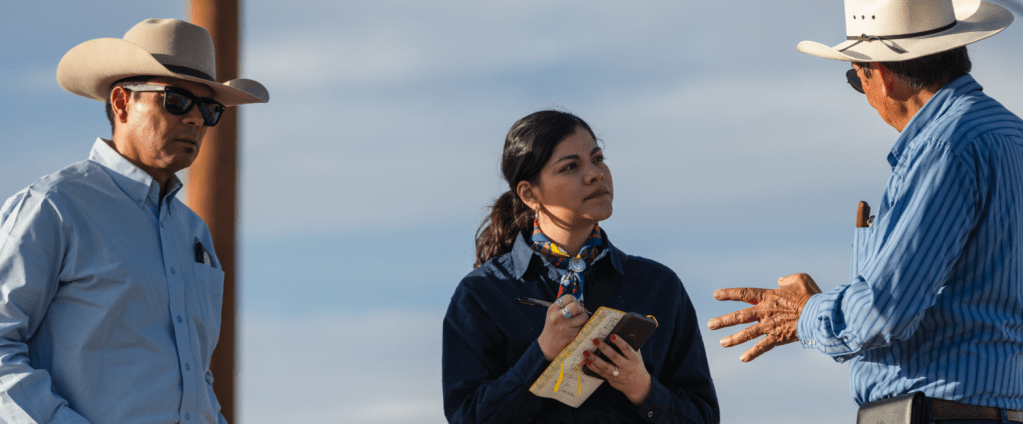
This week, the Tribune put together a three-part series exploring the state’s $5 billion transmission-line build-out to support wind power, which is mostly generated in West Texas but needs to be shipped to cities in Central and East Texas. The project is known as CREZ, short for Competitive Renewable Energy Zones.

Kate Galbraith
Kate Galbraith covered energy and environment for the Tribune from 2010 to 2013. Previously she reported on clean energy for The New York Times from 2008 to 2009, serving as the lead writer for the Times' Green blog. She began her career at The Economist in 2000 and spent 2005 to 2007 in Austin as the magazine's Southwest correspondent. A Nieman fellow in journalism at Harvard University from 2007 to 2008, she has an undergraduate degree in English from Harvard and a master's degree from the London School of Economics. She is co-author of “The Great Texas Wind Rush,” a book about how the oil and gas state won the race to wind power.
Posted in
Energy
Battle Lines: Panhandle Power
While West Texas has become the nation’s wind-power hub, the Panhandle’s ferocious winds go largely untapped. That could change with a slew of proposed transmission line projects that could, in turn, enable forests of turbines — if landowners can be soothed. Part three of a three-part series.

Posted in
Energy
Battle Lines: Electrifying the Hill Country
The epicenter of the fight over the state’s wind power transmission lines is the Hill Country, where landowners are spending lots of money and time to keep the lines from being built. They’re trotting out every conceivable argument, and they may just succeed. Part two of a three-part series.

Posted in
Energy
Battle Lines: Fighting the Power
Texas already harvests more wind power than any state in the nation, bringing the promise of clean energy to millions of homes and businesses. Trouble is, getting that power from remote, windy West Texas to the big cities requires a massive, $5 billion network of transmission lines — which property owners in the Hill County and elsewhere don’t want in their back yards. As construction gets under way on the new lines, an army of lawyers and angry landowners is working to stymie the state’s renewable energy plans. Part one of a three-part series.

Posted in
Energy
TribBlog: Another Oil Rig Explodes in Gulf [Updated]
Another oil rig — owned by a Houston-based company — has exploded in the Gulf of Mexico.

Posted in
Energy
Green Horns
When Longhorn football kicks off at home this month, so will a brand-new marketing effort urging boosters to buy, of all things, green electricity. Colt McCoy’s family has already signed up with Texas Longhorns Energy, which promises customers 100 percent power from Texas wind. The Aggies will roll out a similar deal on Friday. The programs are another sign of the universities’ branding heft — even though they may not be the best deal within the confusing Texas electricity market.

Posted in
Energy
TribBlog: The Future of Water
An intensive process to plan the amount by which Texas aquifers can be depleted over the next half-century has been completed just ahead of the Sept. 1 deadline.

Posted in
Energy
TribBlog: Bashing Coal Ash
A new report by three environmental groups documents dangerous levels of toxic contaminants from coal ash in Texas and elsewhere — and little regulation.

Posted in
Energy
Hola, Amigas
Texas has always operated its own electricity grid, separate from the two other grids that span the rest of the nation. But a project quietly emerging in eastern New Mexico could curb that independence — and affect energy prices here in ways that remain much in dispute.

Posted in
Energy
Dust to Dust?
Texas has the most acres of any state enrolled in the federal Conservation Reserve Program, which seeks to prevent another Dust Bowl by paying farmers to plant grass instead of crops. But the program has fallen on hard times, and its participants worry they will, too.