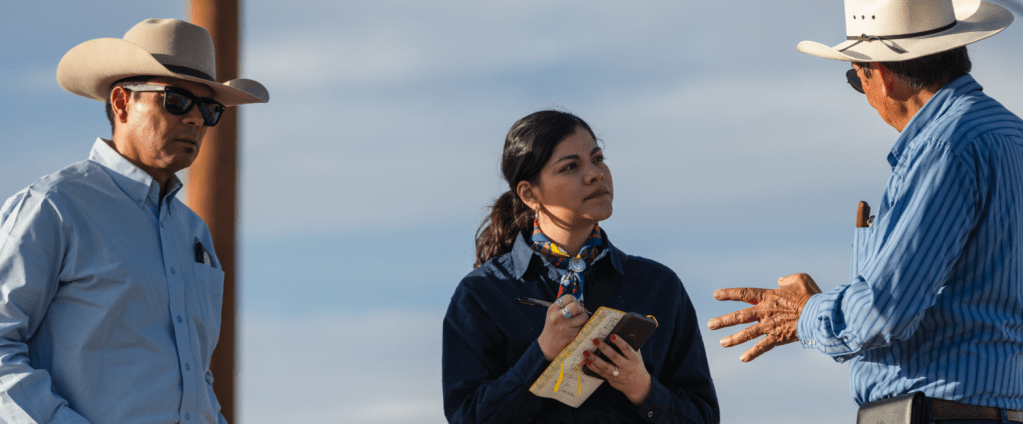
With Texas facing dramatic population growth and constraints on its water supplies, interest in the use of sewage — or “reclaimed water,” as those in the industry prefer to call it — to provide for a variety of water needs is growing.

Kate Galbraith
Kate Galbraith covered energy and environment for the Tribune from 2010 to 2013. Previously she reported on clean energy for The New York Times from 2008 to 2009, serving as the lead writer for the Times' Green blog. She began her career at The Economist in 2000 and spent 2005 to 2007 in Austin as the magazine's Southwest correspondent. A Nieman fellow in journalism at Harvard University from 2007 to 2008, she has an undergraduate degree in English from Harvard and a master's degree from the London School of Economics. She is co-author of “The Great Texas Wind Rush,” a book about how the oil and gas state won the race to wind power.

Posted in
Energy
EPA Chief, Visiting Texas, Calls Pollution Rule “Not Onerous”
Lisa Jackson, the head of the Environmental Protection Agency, said during a visit to Austin on Wednesday that a pollution rule adopted this month that has infuriated many Texas officials will save lives and can be enacted “cheaply and efficiently.”

Posted in
Energy
As Drought Intensifies, Ranchers Sell Off Cattle
The third-worst drought in Texas history has made it hard for ranchers to find hay, and sometimes water, for their cattle. So they are selling them off — and finding eager buyers from rainier states like South Dakota.

Posted in
Energy
To Tackle Drought, Can Lawmakers Do More Than Pray for Rain?
The Texas drought is already a significant natural disaster. What can the government do to help those who are hit hardest?

Posted in
Energy
Lengthy Drought Takes Toll on Wildlife
It may be a bad year for hunters: The number of wild turkeys, quail and even squirrels will be down due to one of the worst droughts in state history. One bright spot is that feral hogs, a statewide nuisance, will also decrease.

Posted in
Energy
Across Texas, Athletic Fields Suffer in Drought
As one of the worst droughts in Texas history intensifies, a notable if lesser worry is the condition of athletic fields. Some fields are getting patchy already, and a summer of 90 or 100 degree temperatures still lies ahead.

Posted in
Energy
Llano Ponders a Future When a River No Longer Runs Through It
The small Central Texas town of Llano, entirely dependent on a river that’s now only a trickle, is facing potentially draconian water restrictions. And it’s not alone. If rain doesn’t come soon, more cities could too.

Posted in
Energy
Proposed Coal Plant’s Water Plan Stirs Debate
Plans to build a coal plant called the White Stallion Energy Center near Bay City have stirred considerable controversy, as residents near and far worry about air pollution and the huge amounts of water needed to operate the plant.

Posted in
Energy
Rice Farmers’ Livelihoods at Stake in Water Battle
Despite the drought, rice fields in Southeast Texas are emerald green this time of year, thanks to water released from two reservoirs hundreds of miles up the Colorado River. But the rice growers fear for their future, as water restrictions tighten.

Posted in
Energy
Series Explores Central Texas’ Water Supply
The Texas Tribune and KUT 90.5 FM are running a five-part series this week on water supplies in Central Texas, looking specifically at the long-term future of two key lakes that supply water to Austin and other growing cities, as well as to rice farmers a few hundred miles down the Colorado River.